Compassionate Care Nurses: The Heart of Hospice
“The secret of the care of the patient is in caring for the patient.” – Dr. Francis Peabody, Harvard Medical School
Delivering the best possible care for hospice patients requires more than medical expertise. It requires compassion — genuine empathy and the willingness to act in the best interest of patients and their families. Compassionate care has measurable benefits. Studies show it lowers stress levels, improves communication, and even enhances clinical outcomes. For hospice patients, where the goal is comfort and dignity at the end of life, compassionate care isn’t just important — it is essential.
Why Compassion Matters
Compassionate care is defined as the understanding and emotional resonance of healthcare providers with patients’ ailments, combined with the choice to help alleviate their suffering. Beyond improving mood, it can reduce anxiety, lower stress hormones like cortisol, and even help prevent depression and hopelessness. Compassion also strengthens the bond between patients, caregivers, and providers, creating an environment where trust and honesty thrive.
In hospice, trust is critical. Families need to feel confident that their loved one is being treated with dignity, and patients need to feel safe enough to share their needs openly. Compassion fosters that trust.
The Role of Hospice Nurses
Hospice nurses are on the front lines of this work. Registered Nurses (RNs) and Licensed Vocational Nurses (LVNs) spend more time with patients than any other team member. They manage medications, dress wounds, monitor comfort levels, and adjust care plans daily. They also educate and support families, easing the stress of caregiving.
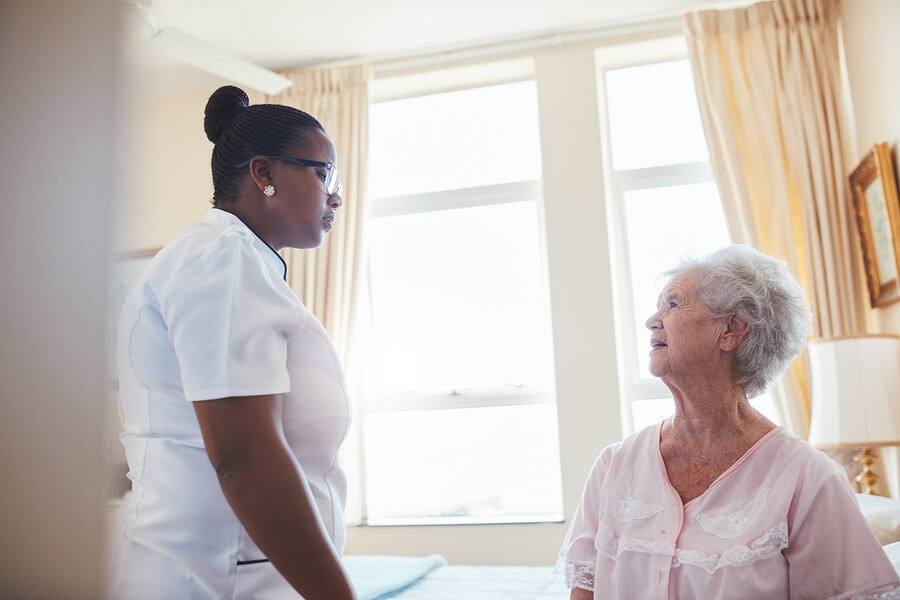
But what sets hospice nurses apart is their ability to combine skill with compassion. A compassionate nurse doesn’t just give medication — they listen to the patient’s fears, offer a calming presence, and help families find moments of peace in the middle of crisis. They create a sense of normalcy and help patients maintain dignity, even in their final days.
The Positive Impact of Compassion
The effects of compassionate nursing are profound. When patients feel cared for as people — not just as medical cases — they report a stronger sense of purpose and less emotional distress. Studies show that compassionate care leads to lower cortisol levels, which are linked to better healing, reduced pain, and improved physical and emotional health.
Compassion also improves patient adherence to care plans. When patients trust their nurse, they are more likely to communicate openly about symptoms and follow treatment recommendations. Families benefit, too. Caregivers who feel supported are less likely to experience burnout and can provide better care for their loved one.
Conversely, the absence of compassion can leave patients feeling anxious, hopeless, or like a burden to their families. That is why compassionate hospice nurses make such a difference: they transform a difficult journey into one filled with comfort, safety, and connection.
A Family’s Perspective
At Expert Hospice, we see every day how compassion changes the experience of hospice. One family recently shared how their nurse walked with them through the final days of their father’s life. “She went above and beyond,” they told us. “She was always there when we had questions, no matter the hour, and she cared for our dad like he was her own family. Her compassion made an unbearable time a little lighter.”
Another family described how their grandmother’s nurse stayed with her until her very last breath. “She felt comfortable and safe. That comfort meant the world to us. We’ll never forget the kindness we were shown.”
These stories highlight what research confirms: compassionate care not only improves outcomes, it creates lasting memories for families — memories of dignity, love, and peace.
Compassion at the Center of Hospice
At Expert Hospice, we believe that hospice care must always focus on the whole person — not just their symptoms. Our nurses embody this philosophy every day, balancing medical expertise with empathy, kindness, and respect. They care for the patient, but they also care for the family, offering guidance, comfort, and support throughout the journey.
Compassion isn’t an extra in hospice — it is at the very center of what we do. And it is why families so often describe their nurses not just as caregivers, but as angels, companions, and even family themselves.
At Expert Hospice, we are committed to compassionate care that preserves dignity and brings comfort at the end of life. To learn more about our hospice services and how our nurses can support your family, visit experthospice.com.