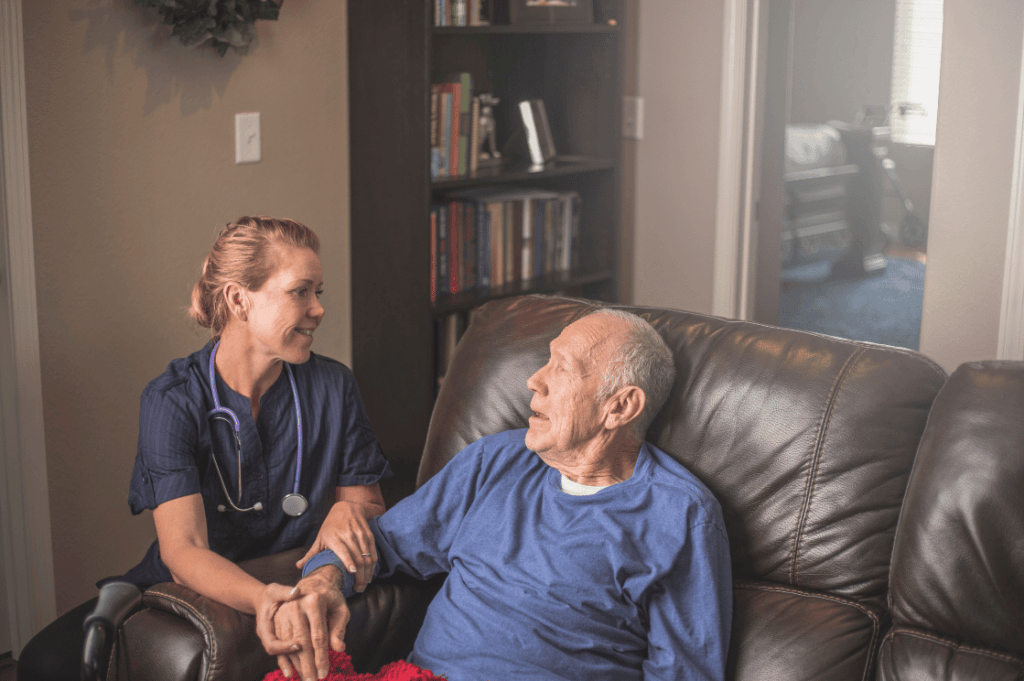
At Expert Hospice, families often begin hospice care focused on medical needs. They worry about symptoms, medications, and what changes may come next. Yet as the journey unfolds, many families discover that hospice care becomes about something far deeper than clinical support alone.
They begin to notice the human side of hospice care.
They remember the conversations that brought comfort during difficult nights. They remember the reassurance that eased fear during moments of uncertainty. And they remember the people who walked beside them with compassion, patience, and presence.
Hospice care supports physical comfort, but it also protects emotional connection, dignity, and peace during one of life’s most vulnerable seasons. These human experiences often become the moments families carry with them long after care ends.
Understanding the Human Side of Hospice Care
The human side of hospice care begins with recognizing that every patient and family experiences the journey differently. Medical care remains important, yet hospice also focuses on emotional, spiritual, and relational needs.
Families are not treated like schedules or tasks. Patients are not defined only by diagnosis. Instead, hospice teams take time to understand routines, fears, preferences, and relationships that matter deeply to the people they serve.
Dr. Ranat often explains that hospice care is centered on humanity first. Clinical care supports comfort, but connection creates trust. When families feel heard and understood, the experience becomes less overwhelming and more grounded in compassion.
How Hospice Creates Emotional Safety
Serious illness often brings emotional uncertainty. Families may feel fear, sadness, exhaustion, or guilt all at once. Many caregivers quietly carry the pressure of trying to stay strong for everyone else.
Hospice care creates emotional safety during these moments.
Nurses answer questions with patience. Social workers help families process difficult emotions. Chaplains offer comfort through conversation, reflection, and spiritual support. These interactions remind families that they do not need to navigate every emotion alone.
Over time, this emotional support changes how families experience care. They begin to feel steadier. They feel more comfortable asking for help. And they discover that hospice care supports the emotional well-being of the entire family, not only the patient.
The Importance of Presence During Difficult Moments
Families often remember presence more than procedures.
A nurse staying a few extra minutes after a difficult conversation.
A CNA speaking gently during personal care.
A social worker listens quietly while a caregiver shares fears.
These moments may appear small, yet they carry lasting meaning.
Presence helps families feel supported during uncertainty. It slows the pace of overwhelming moments and creates space for reassurance and connection. Many families later say these interactions became some of the most meaningful memories of the hospice journey.
Dr. Ranat frequently reminds hospice teams that compassionate presence is a form of care itself. Families may not remember every clinical detail, but they always remember how care made them feel.
How Hospice Supports Daily Living with Dignity
The human side of hospice care also appears in everyday routines.
Hospice teams focus on preserving dignity through thoughtful, respectful care. Patients are encouraged to remain comfortable and engaged in ways that feel meaningful to them. Familiar routines, favorite music, personal conversations, and quiet moments all become important parts of daily living.
This approach helps patients feel like themselves rather than feeling defined by illness. Families often notice that these small efforts create a calmer and more peaceful environment for everyone involved.
Caregiver Experiences That Shape the Journey
Caregivers experience hospice care alongside their loved one. They carry emotional responsibility while also managing practical decisions and daily stress.
Hospice guidance helps ease this burden.
Families receive education about what to expect and how to respond to changes. Nurses provide reassurance during uncertain moments. Social workers help caregivers navigate emotional fatigue and anticipatory grief.
Many caregivers later share that hospice permitted them to stop trying to manage everything alone. Instead of feeling isolated, they felt supported by a team that understood the emotional weight they were carrying.
The Human Connection Within Assisted Living Partnerships
For families with loved ones in assisted living or memory care communities, the human side of hospice care often grows through partnership.
Assisted living staff know residents personally. They understand routines, preferences, and behaviors that create familiarity and comfort. Hospice teams bring specialized support focused on symptom management, emotional care, and end-of-life guidance.
Together, these teams create continuity and stability.
Families frequently describe this collaboration as deeply reassuring because they see caregivers working together with shared compassion and respect for the resident’s dignity.
Stories from the Field That Families Remember Most
Our hospice teams witness meaningful moments every day.
One family remembers how a nurse sat quietly beside their father during a difficult evening, offering calm reassurance without rushing the moment. The family later shared that this presence brought peace when fear felt overwhelming.
Another caregiver recalls how a CNA continued speaking gently to their mother, even after she stopped responding verbally. Those small interactions reminded the family that their loved one was still being treated with dignity and humanity.
A husband shared that hospice allowed him and his wife to spend meaningful evenings together without constant medical stress. They listened to music, shared memories, and focused on connection rather than crisis.
These stories reveal what families often experience most during hospice care: the feeling of being cared for as people, not simply patients.
Why Families Remember Compassion More Than Clinical Details
Hospice care includes medications, care plans, and symptom management. Yet families often reflect most strongly on the compassion they experienced throughout the journey.
They remember:
- Gentle conversations during difficult days
- Reassurance during moments of uncertainty
- Quiet support during emotional transitions
- The feeling of not being alone
These memories stay with families because they shape the emotional experience of care. Compassion helps families process grief with greater peace and less fear.
Dr. Ranat often explains that hospice care protects both comfort and connection. When families feel emotionally supported, they are better able to focus on presence, love, and meaningful moments together.
How Hospice Helps Families Focus on Connection
As hospice support reduces stress and uncertainty, families often discover more space for connection.
They share stories.
They spend quiet time together.
They express gratitude and love more openly.
Without the pressure of navigating every challenge alone, families can focus on relationships rather than constant worry.
These moments become deeply meaningful. Many families later describe them as unexpected gifts that emerged through the support the hospice provided.
Insights from The Expert Hospice Podcast
On the Expert Hospice Podcast, our team shares meaningful conversations about compassion, comfort, and the realities of end-of-life care. Each episode explores topics that help families, caregivers, and healthcare professionals better understand hospice, featuring stories from our nurses, CNAs, chaplains, social workers, and administrative team.
Follow the Expert Hospice Podcast to hear heartfelt stories, expert insights, and practical guidance on how hospice brings dignity, peace, and connection when it matters most.
🎧 Listen to the Expert Hospice Podcast here:
https://podcasts.apple.com/us/podcast/expert-hospice/id1835256671
Closing Reflections
The human side of hospice care lives within small moments of compassion, presence, and understanding. It shapes how families experience one of life’s most emotional transitions and reminds them that they do not have to face it alone.
At Expert Hospice, guided by the leadership of Dr. Ranat, we believe every interaction matters. Every conversation, every gesture, and every act of kindness contributes to an environment where patients feel respected, and families feel supported.
In the end, families may not remember every medical detail. Yet they remember the feeling of being cared for with dignity, warmth, and humanity. Those experiences become lasting reminders that hospice care is not only about comfort at the end of life — it is about connection throughout the journey.