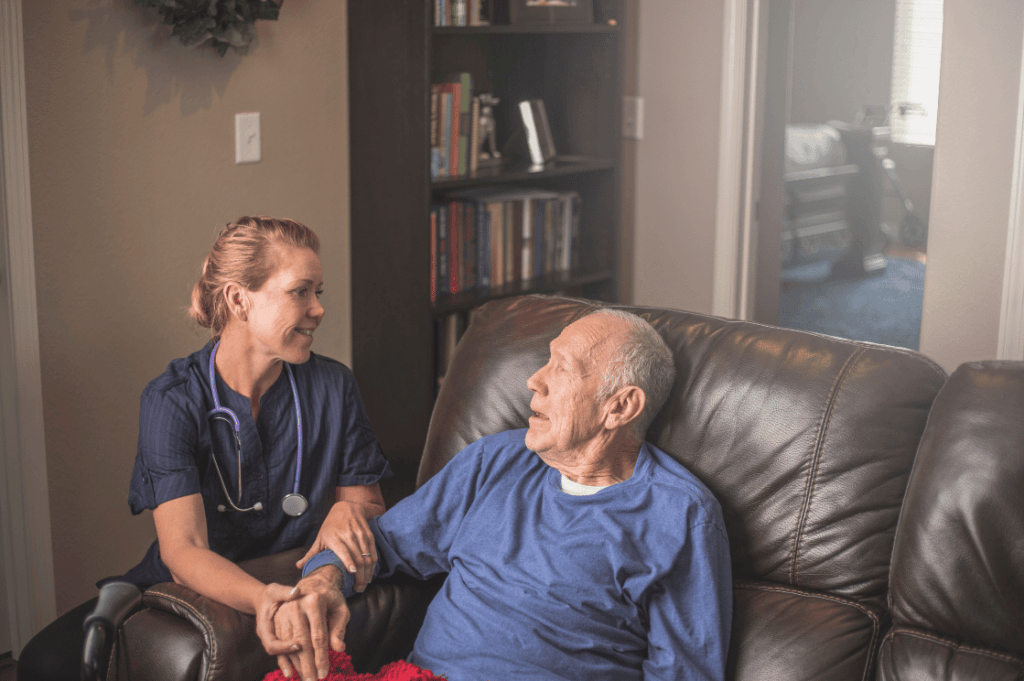
At Expert Hospice, families often arrive carrying more than medical concerns. Alongside questions about symptoms and care plans, they carry emotional weight that has been building quietly over time. There is worry, uncertainty, exhaustion, and a deep desire to do what feels right for someone they love.
Hospice care does not begin with a single emotional moment. Instead, it unfolds through a series of transitions. Each stage brings new feelings, new questions, and new adjustments. Families may move from hope to uncertainty, from strength to vulnerability, and from control to acceptance.
These emotional transitions are a natural part of the hospice journey. With guidance and support, families learn to move through them with greater understanding, steadiness, and connection.
Understanding Emotional Transitions in Hospice Care
Emotional transitions in hospice care rarely follow a predictable path. Families may experience many feelings at once. One moment may bring calm. The next may bring fear or sadness. These shifts can feel confusing, especially when they happen quickly.
At the beginning of hospice, families often feel uncertainty. They may question whether the timing is right. They may worry about what comes next. As care continues, emotions may shift toward anticipation, reflection, and eventually grief.
Dr. Ranat often explains that emotional transitions are not something to avoid. Instead, they are something to support with compassion and understanding. She emphasizes that families need space to process these changes at their own pace, without pressure or expectation. Hospice care provides that space. It allows emotions to exist without judgment while offering guidance through each stage.
The Emotional Weight Caregivers Carry
Caregivers often experience the deepest emotional transitions. Even when assisted living teams or hospice staff provide daily care, family members carry a strong sense of responsibility.
They may feel pressure to make the right decisions.
Worry about missing important changes.
They may feel guilty for not being able to do more.
These emotions can build quietly over time.
Hospice care recognizes caregiver stress as an essential part of the journey. Social workers offer emotional support and practical guidance. Nurses provide reassurance during moments of uncertainty. Chaplains create space for reflection and meaning. When caregivers feel supported, they are better able to move from constant worry to meaningful presence with their loved one.
How Hospice Provides Emotional Stability
As Hospice Care begins, many families notice a shift. The unknown becomes more understandable. Questions receive clear answers. Support becomes consistent.
This structure helps create emotional stability.
Hospice teams guide families through what to expect at each stage. They explain physical changes. They prepare families for transitions. They remain available day and night for reassurance and support.
This guidance helps reduce fear. Instead of feeling overwhelmed by each change, families begin to understand the process. That understanding allows them to feel steadier and more present.
Dr. Ranat often emphasizes that clarity is one of the most powerful forms of comfort. When families understand what is happening, they feel less alone and more prepared.
The Role of Presence During Emotional Moments
Emotional transitions often unfold in quiet moments. A conversation at the bedside. A shared memory. A moment of silence that carries meaning.
During these times, presence becomes essential.
Hospice team members offer more than clinical care. They offer calm voices, attentive listening, and steady companionship. They stay with families during difficult moments rather than moving quickly to the next task.
These interactions help families feel seen and supported. They create an environment where emotions can be expressed without fear.
Many families later share that these moments of presence became some of the most meaningful parts of their experience.
Emotional Support Within Assisted Living Partnerships
For families with loved ones in assisted living or memory care, emotional transitions are often shared across multiple caregivers. Assisted living staff provide daily familiarity. Hospice teams bring specialized emotional and clinical support.
This partnership creates consistency.
Families benefit from clear communication and coordinated care. They know who to turn to with questions. They feel supported by a team that understands both the resident and the emotional needs of the family.
This shared approach reduces confusion and builds trust. It allows families to focus on connection rather than navigating uncertainty alone.
Stories from the Field: Emotional Transitions in Real Life
Our team witnesses emotional transitions every day.
One daughter described how hospice helped her move from constant anxiety to quiet acceptance. Before hospice, she worried about every symptom. After hospice began, she felt guided and supported, which allowed her to focus on spending time with her mother.
Another family shared that emotional support from a hospice social worker helped them talk openly about their fears for the first time. That conversation brought relief and strengthened their connection during a difficult time.
These stories reflect how emotional support changes the experience of hospice care. Families do not need to carry their feelings alone.
Moving from Fear to Understanding
Fear is one of the most common emotions families experience during hospice care. Fear of the unknown, loss & making the wrong decisions.
Hospice helps transform that fear into understanding.
Education plays a key role. Families learn what changes to expect. They understand the body’s natural process. They receive guidance that helps them feel more prepared.
With understanding comes confidence. Families begin to trust the care they are receiving. They feel more comfortable with decisions. And they find a sense of calm that was not there before.
Creating Space for Meaningful Moments
As emotional transitions unfold, families often discover moments of connection they did not expect.
They share stories.
Also, they express gratitude.
Sit together in quiet presence.
Hospice care creates the space for these moments to happen naturally.
Without the pressure of constant medical intervention, families can focus on being together. These moments often become lasting memories that provide comfort long after the journey ends.
Supporting Families After the Transition
Emotional transitions do not end when hospice care concludes. Grief continues in its own time and in its own way.
Hospice provides bereavement support to help families navigate this stage. Follow-up calls, counseling resources, and continued connection offer reassurance during a time that can feel quiet and unfamiliar.
Families often express gratitude for this ongoing support. It reminds them that they are not alone, even after their loved one has passed.
Insights from The Expert Hospice Podcast
On the Expert Hospice Podcast, our team shares meaningful conversations about compassion, comfort, and the realities of end-of-life care. Each episode explores topics that help families, caregivers, and healthcare professionals better understand hospice, featuring stories from our nurses, CNAs, chaplains, social workers, and administrative team.
Follow the Expert Hospice Podcast to hear heartfelt stories, expert insights, and practical guidance on how hospice brings dignity, peace, and connection when it matters most.
🎧 Listen to the Expert Hospice Podcast here:
https://podcasts.apple.com/us/podcast/expert-hospice/id1835256671
Closing Reflections
Emotional transitions are an essential part of hospice care. They reflect love, connection, and the depth of the relationships families hold.
At Expert Hospice, we believe these transitions deserve support, understanding, and compassion. Guided by the leadership of Dr. Ranat and a dedicated interdisciplinary team, hospice care becomes a steady presence through each emotional stage.
Families may begin the journey feeling uncertain. Yet over time, with the right support, they discover strength, clarity, and moments of connection that carry lasting meaning.
Through compassion, communication, and presence, hospice helps families move through emotional transitions with dignity and peace.